
Why Vietnam, and why on campus
Vietnam is a major source market for international students across Asia-Pacific, North America and Europe, and its schools are now building international partnerships of their own. For the 2026–2027 academic year, M2W is working with Vietnamese schools that want to receive foreign education institutions on campus.
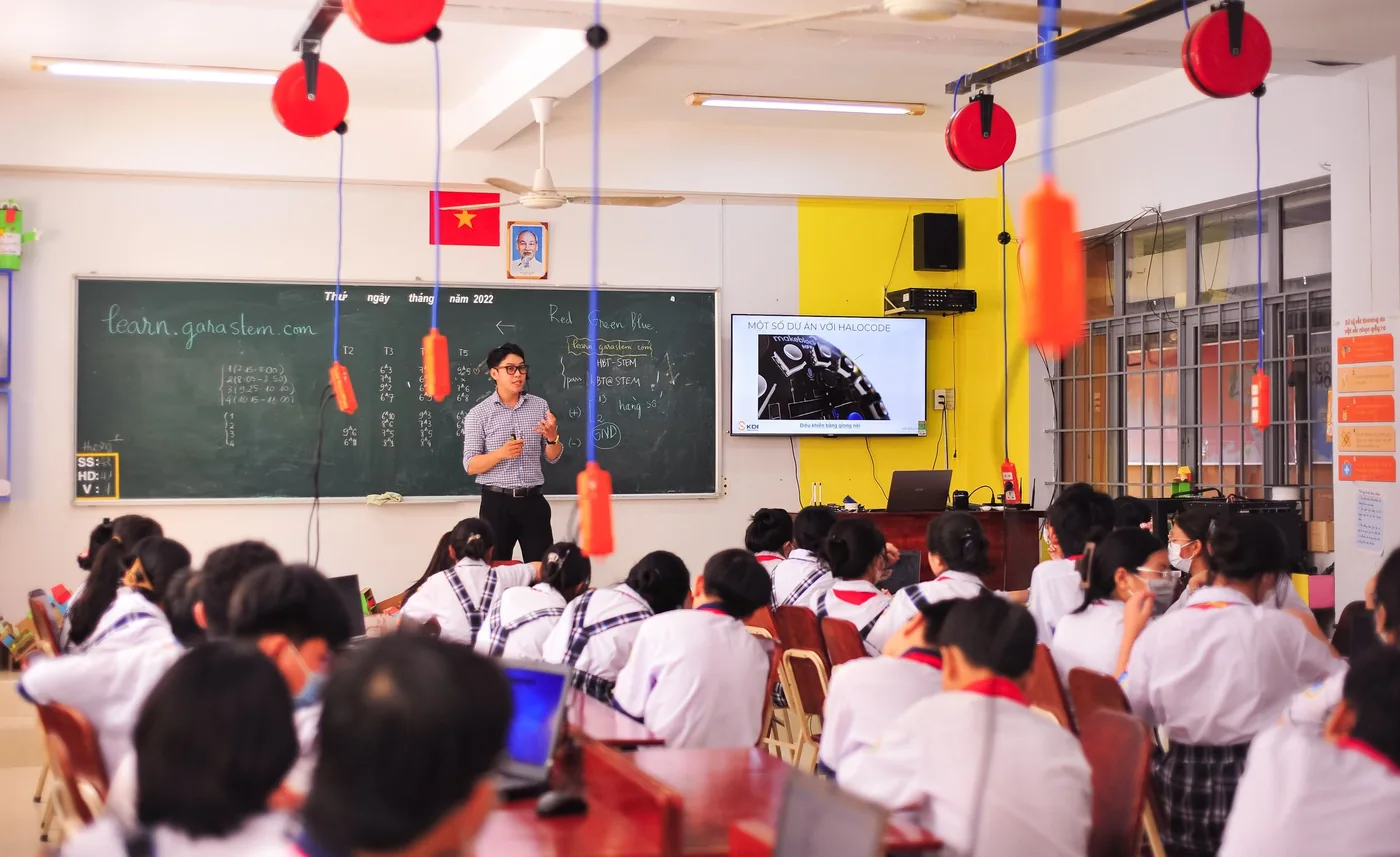
- Direct access, not brochures. A visit replaces indirect contact through printed material with a working session on the host campus, with the people who decide.
- Hosts that asked for the visit. Each host school chooses the formats it wants and the participants it can bring, so the programme is built around demand that already exists.
- One coordinating partner. From host matching to the closing report, M2W coordinates the visit from its base in Ho Chi Minh City.
What your institution gains
A school visit is designed not only to open a relationship, but also to give your institution a clear basis for deciding which partnerships, programmes and student pathways to develop in Vietnam.
Direct access to decision-makers
Working sessions with school leadership, prepared around specific cooperation questions, with the relevant host representatives confirmed in advance.
A basis for lasting partnerships
A setting to agree sister-school, articulation and teacher-exchange arrangements where both institutions wish to proceed, building a relationship that can extend over several academic years.
Relationships built on trust
Students meet your faculty in their own classroom before they ever consider your institution. Where the host school requests it, your team explains study options and entry requirements to students selected by the host.
Interest in your short programmes
Host schools can discuss summer and winter camps and themed study groups with you during the visit. Any student programme that follows is agreed separately with each school.
Presence inside Vietnamese schools
Your institution presents itself through an agreed academic session and Vietnamese-language materials, to participants selected by the host, inside a school that endorses the visit.
Prepared, coordinated visits
Hosts are matched to your objectives and arrangements are confirmed in writing before you travel. One partner coordinates every session and reports afterwards.
Who benefits by role
International admissions
Explain entry requirements to host-selected students and learn what they need to know before applying.
International office
Assess academic fit, identify the right counterpart and decide which cooperation proposals merit further review.
Leadership
Use the visit report to decide where further staff time and budget should go.
Four objectives on the host side
Understanding what the host is trying to achieve is what turns a courtesy visit into a working relationship. Each format on this page is designed around one or more of these objectives.
- Institutions on campus, in person. Host schools want foreign institutions to work with them directly, rather than through printed information.
- International learning at home. They want more international study and experience options for their students, available on their own campus.
- Regular partners for the international office. They want foreign partners who work with them on a regular basis, with documentation and a named contact.
- A base for long-term cooperation. They want the visit to lead to teacher exchange, articulation pathways and joint academic activity.
Six ways to engage
Visit activities are chosen to match your objectives and the host's agreement. Programmes and partnerships are developed separately where both sides wish to proceed.

Delegation visit and leadership meeting
Your delegation visits the school, learns how it teaches and discusses cooperation with its board. The meeting is prepared around specific cooperation questions. For your institution: a named counterpart at leadership level and a record of what was agreed.

Guest teaching and academic exchange
Your faculty teach a topic on campus, agreed in advance with the host school's academic team. Students attend an international class without leaving their own. For your institution: your teaching seen first-hand by students and staff in your discipline.

Teacher and leadership development
Your team shares teaching methods, curriculum design and how international activity is run inside a school. The session is for the host's own staff. For your institution: an exchange of teaching practice with local educators, and a basis for further staff collaboration.
Short programmes for Vietnamese students
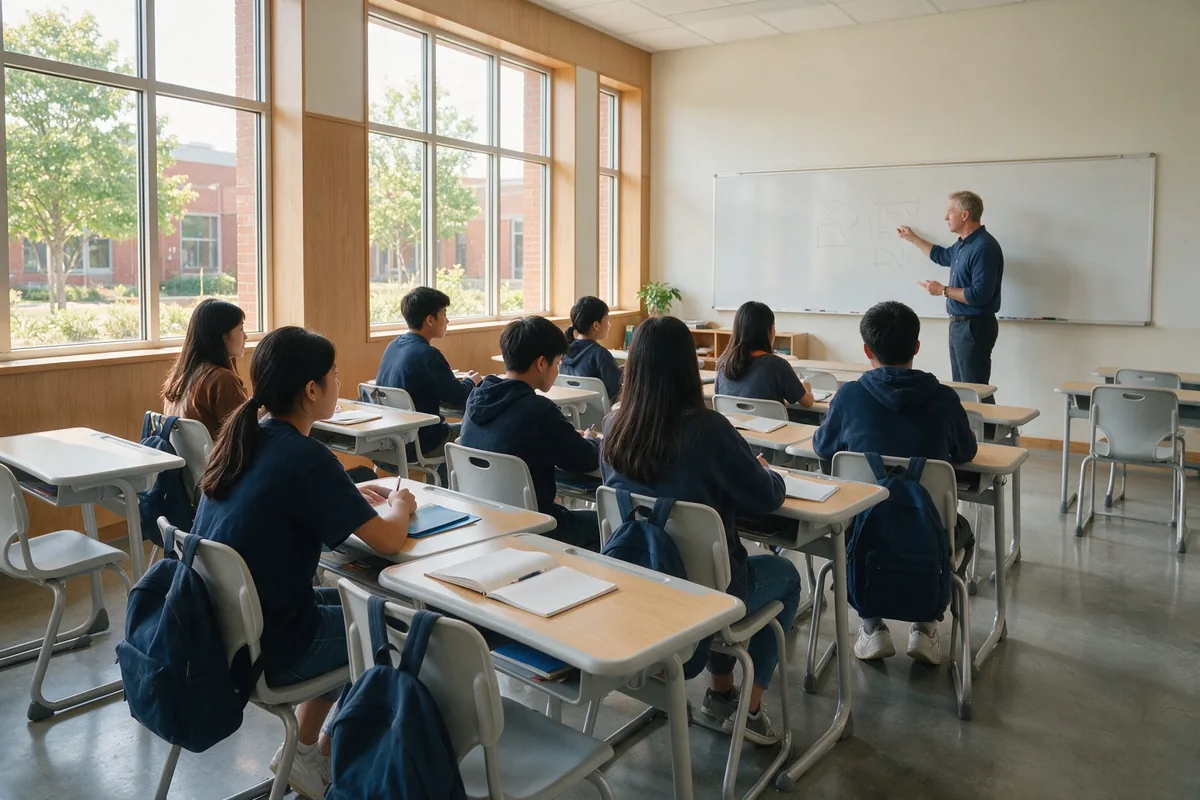
Summer and winter camps and themed study groups at your institution, combining a defined academic theme with supervised learning, scheduled in the host school’s holidays. For your institution: a route to bring Vietnamese student groups to your campus, agreed school by school.
Sister-school and articulation agreements
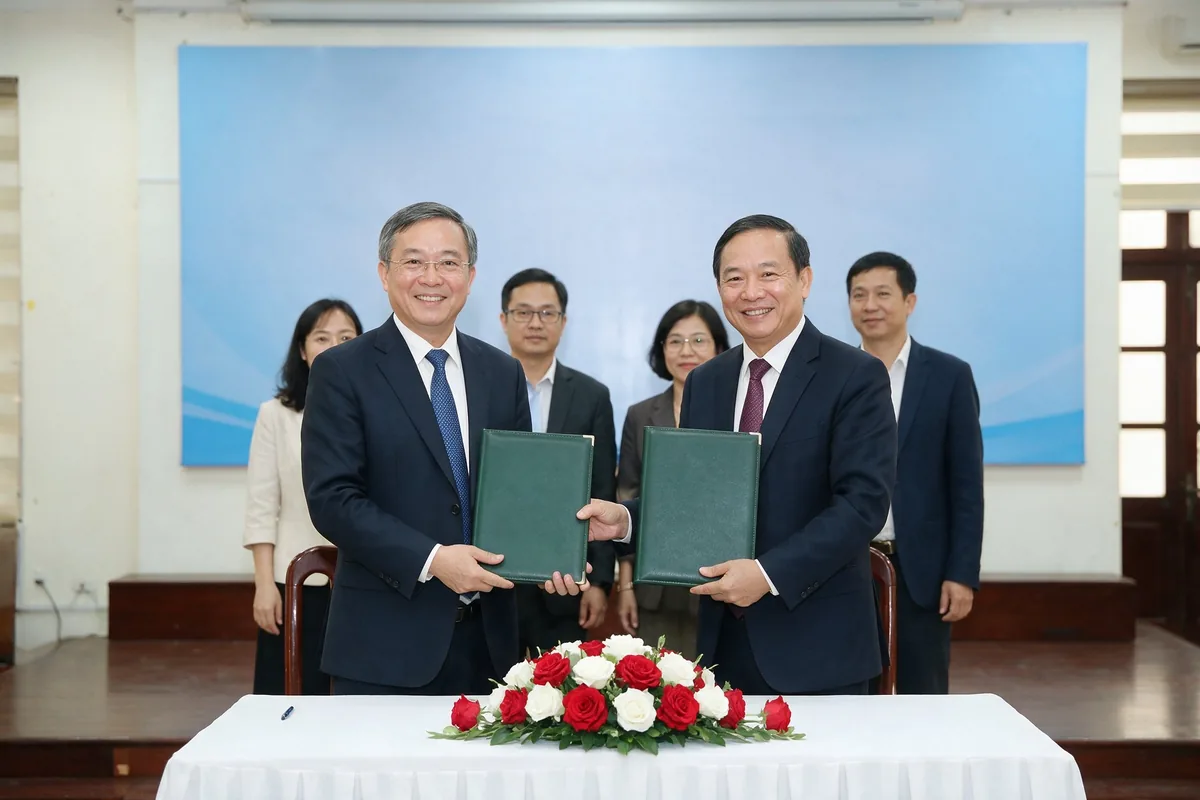
Where both schools wish to proceed, they sign a memorandum of cooperation, then develop teacher exchange, articulation pathways and joint academic activity. The relationship is in the host school’s name, not an intermediary’s. For your institution: a framework for joint activity and future student progression, agreed by both institutions.
Support for graduating students
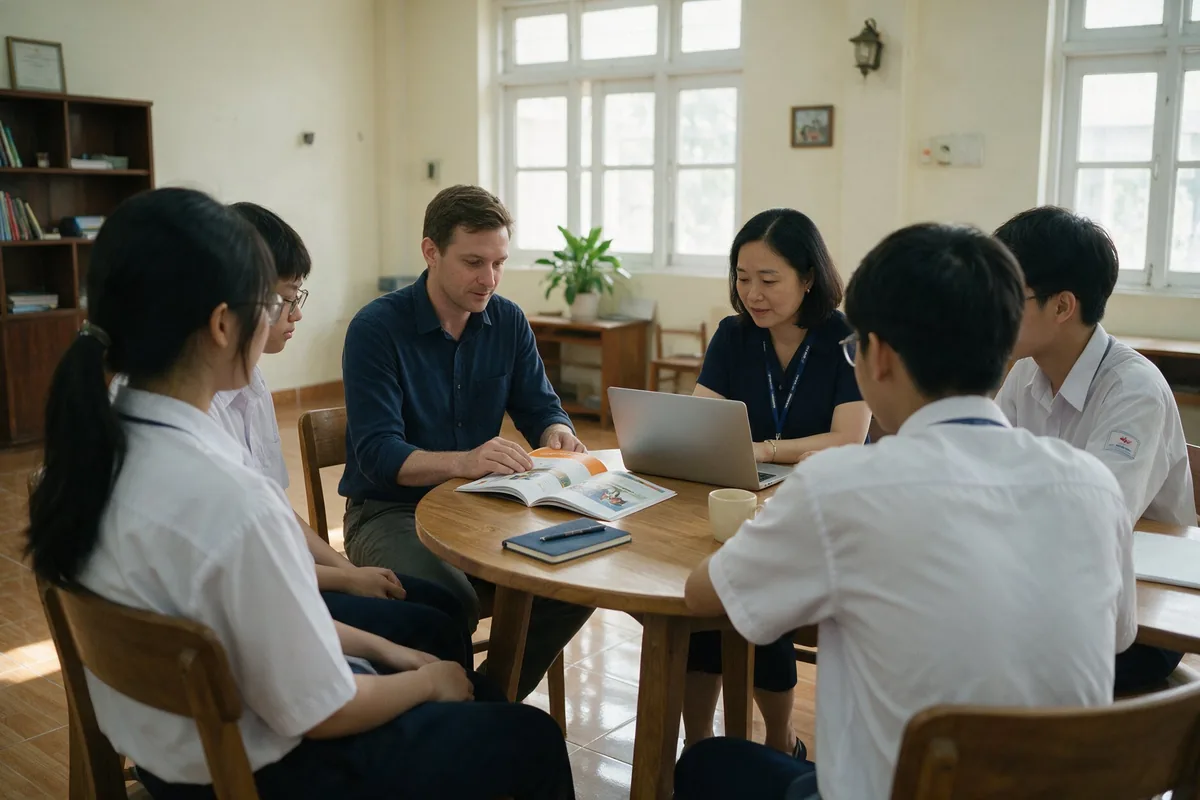
Available only where the host school requests it, for students who have completed their programme and wish to continue abroad. Content, timing and the list of students are decided by the host school. For your institution: a session with host-selected students who wish to continue abroad, held at the host school’s request.
Host schools across Vietnam
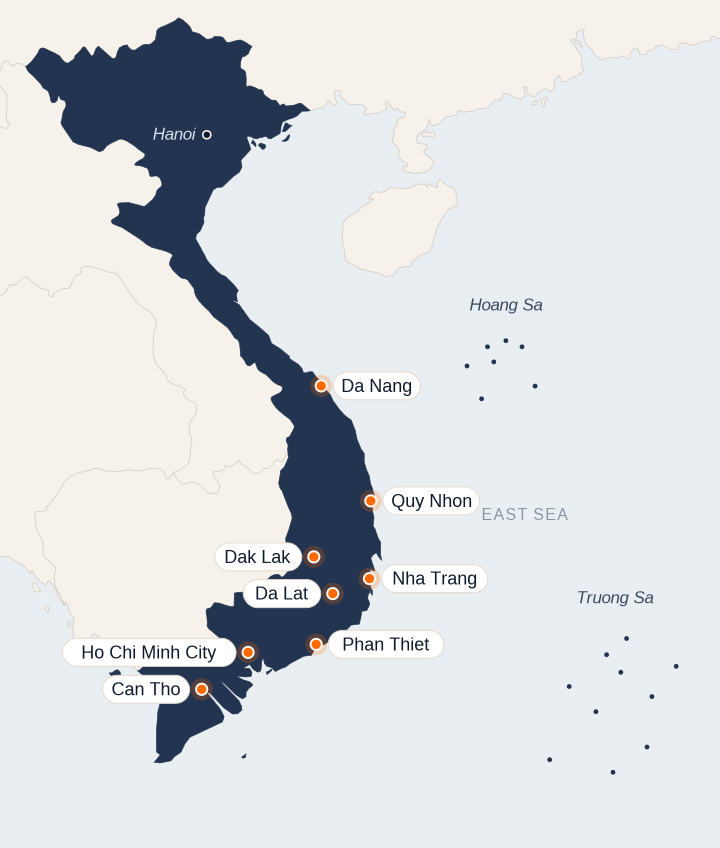
Host schools include universities and colleges, high schools and international schools, and training centres, with a focus on the south, the Central Highlands and the central coast. Hosts are matched to your discipline, your objectives and the dates you hold.
The south
Ho Chi Minh City · Can Tho · Phan Thiet
The Central Highlands
Da Lat · Dak Lak
The central coast
Nha Trang · Quy Nhon · Da Nang
Initial host profiles are anonymised. Host schools are named once a programme is agreed, with their written consent.
Host types and typical formats

Universities and colleges
Leadership meetings, guest teaching, staff development and articulation pathways
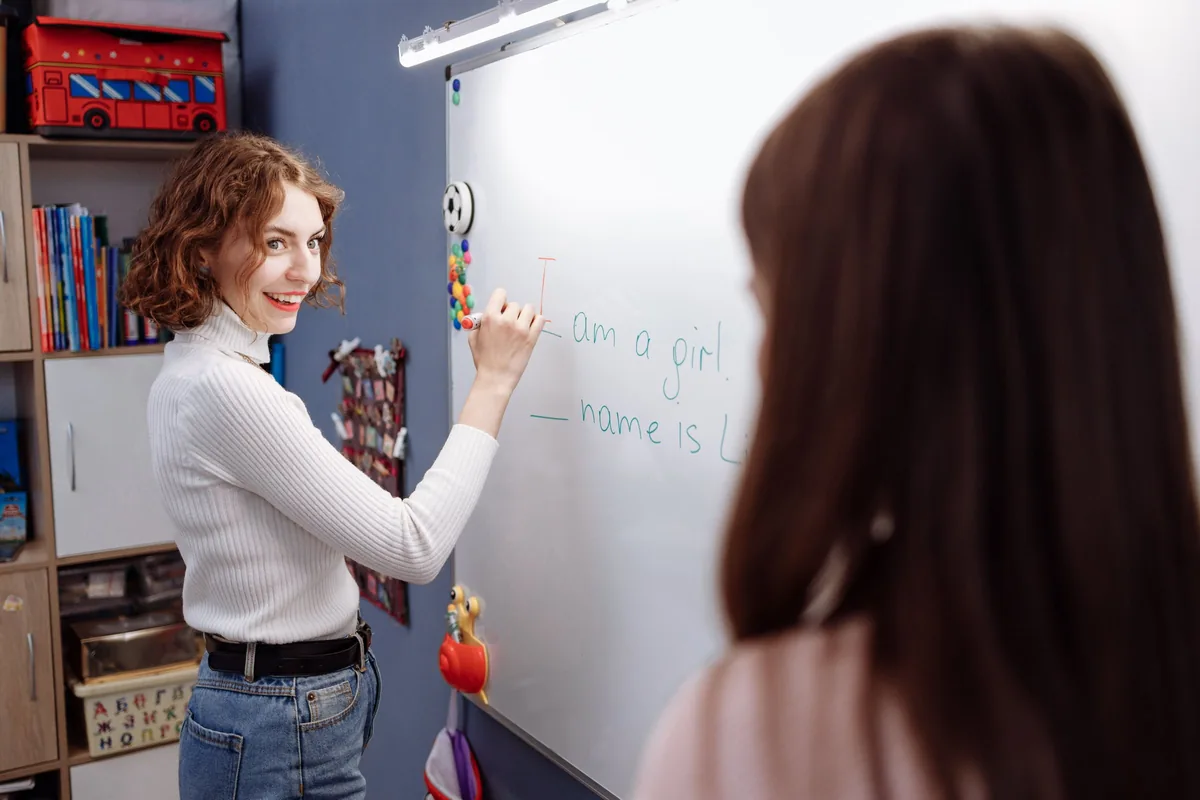
High schools and international schools
Sister-school relations, teacher exchange and short programmes for students
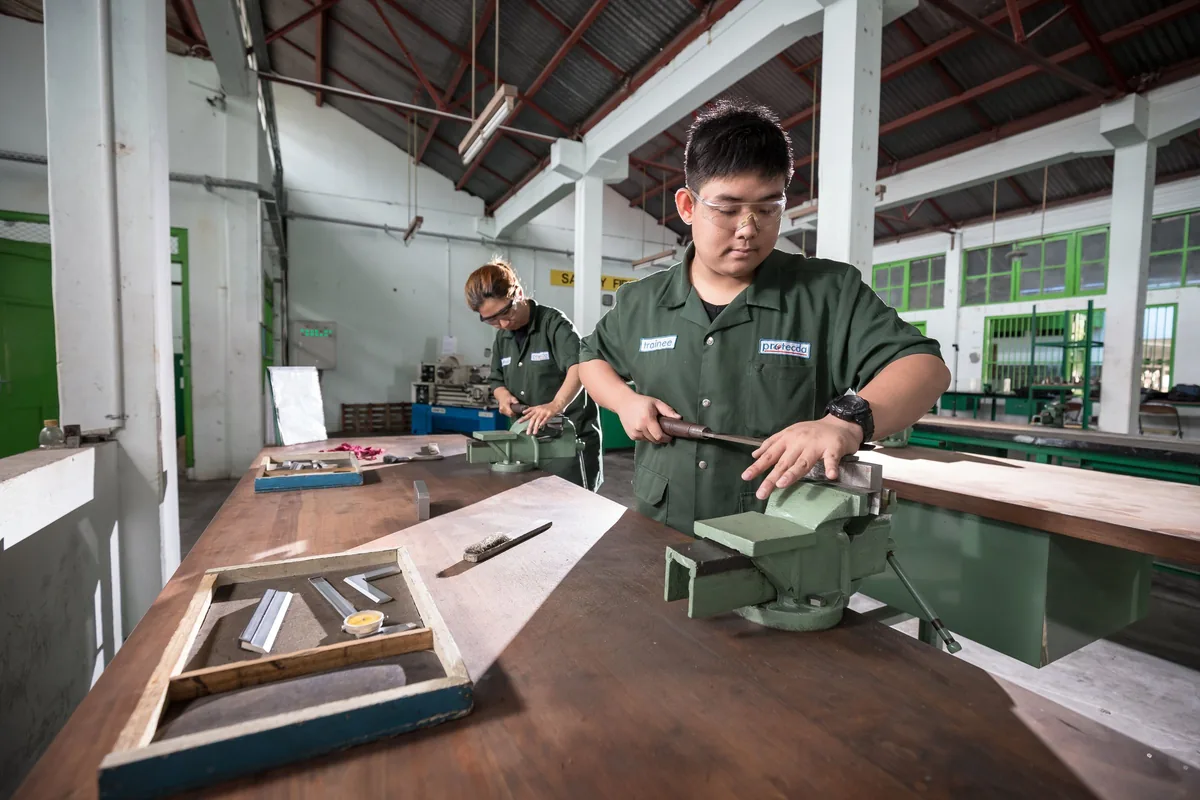
Training centres
Language and vocational pathways, and student sessions where the host requests them
What a two-day visit looks like
The structure below shows how two host schools fit into one visit. The final programme is refined around your objectives, the hosts matched and the dates you hold.
| Day one — Leadership and campus | Day two — A second host and students | |
|---|---|---|
| Morning | Leadership meeting and campus tour at the first host school; signing of any instrument agreed in advance | Working session at a second host school, matched to a different discipline or level |
| Afternoon | Guest teaching session or staff workshop at the same school | Student session where the host requests it, with Vietnamese-language materials |
| Evening / Close | Reception with host leadership, where the host offers one | Debrief with M2W; written report within five working days |
Our recommendation for a first visit
For a first visit, we recommend two host schools selected for one primary objective, with a guest teaching session where appropriate. A third host is added only where it serves a distinct purpose, and a repeat visit follows a review of the first visit’s outcomes.
- One journey, more relevant meetings. The cost of travelling to Vietnam is the same whether you meet one school or two. A second, well-matched host adds a relationship within the same trip.
- Focus on one objective. Selecting hosts for a single primary objective keeps each session purposeful and makes the outcomes easier to assess.
- A basis for an annual programme. Where the first visit meets its objectives, the same hosts can form the core of a recurring programme, reviewed each year.
Roles and costs
| Visiting institution | Host school | My Second World | |
|---|---|---|---|
| Pays | Travel and accommodation for the delegation, and the Integrated Programme Cost. | No fee to M2W for any of the six formats. | — |
| Contributes / Provides | Faculty, academic content, materials and institutional presence. | Venue, participants, staff time and part of the hospitality. | Programme design, host matching and coordination, interpretation, Vietnamese-language materials, on-ground coordination and reporting. |
| Receives | Access to host schools matched to purpose, working sessions with decision-makers, and a basis for signed cooperation. | An international partner on campus, academic exchange for its students and staff, and long-term cooperation. | The Integrated Programme Cost, paid by the visiting institution. |
Five steps to a visit
01 · Enquiry
Tell us your window, disciplines, delegation size and objectives.
02 · Programme outline
Within five working days of a complete brief, we send an initial outline and anonymised host profiles.
03 · Agreement in writing
Dates, venues and the programme are confirmed in writing with each host, followed by the quotation and programme agreement.
04 · Visit
The programme runs as agreed, with an M2W coordinator on the ground.
05 · Report
We report within five working days and propose next steps where both sides want to continue.
Who does what on the ground

What M2W handles
From host matching to the report after the visit.
- Host matching and preparation. We match host schools to your discipline and objectives, agree the programme with each host and confirm dates in writing.
- English–Vietnamese interpretation for every session of the programme.
- Vietnamese-language materials. Vietnamese versions of your materials, checked against your official published sources and dated.
- On-ground coordination. An M2W coordinator throughout the visit; the quotation states whether local transport is included.
- Report within five working days. A consolidated report after the visit: sessions, discussions, open questions and agreed next steps, with who owns each.
What host schools provide
Arranged within the host school’s own calendar and rules.
- A named contact for your visit.
- Venue, timing and participants, arranged within the host school’s academic calendar.
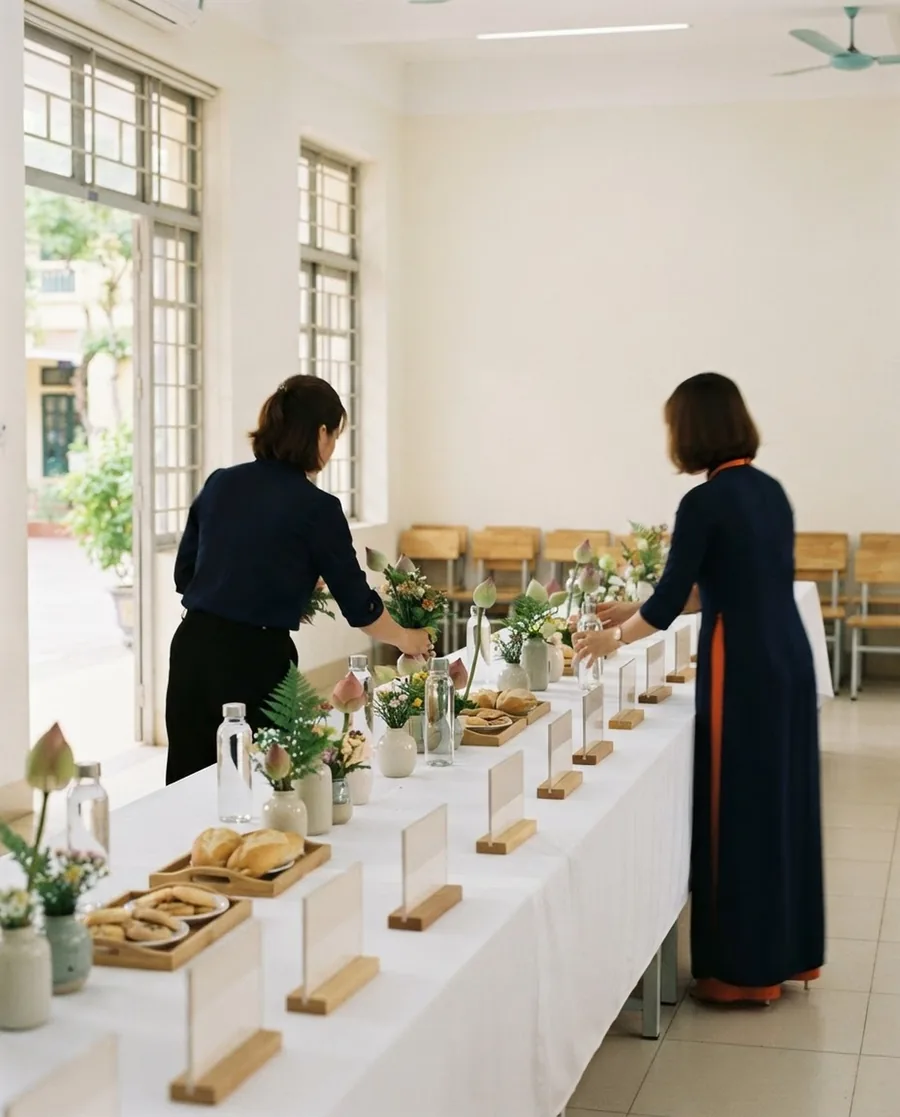
- Part of the hospitality — host schools contribute to reception costs such as event decoration, refreshments during the session or a reception afterwards.
- Approval before publication — materials and images relating to the host school are approved by the host before anything is published.
Academic year 2026–2027

When to plan
Planning windows, not confirmed dates.
- Throughout the academic year. Visits can be planned throughout the 2026–2027 academic year, subject to host availability.
- Two proposed planning windows. October to November and March to April. These are planning windows, not confirmed dates.
- At least 30 days to prepare. Allow at least 30 days from the point both sides agree the content. Earlier requests give a wider choice of hosts; shorter lead times are considered case by case and confirmed in writing.

How we work
The rules every visit follows.
- Vietnamese law and school regulations. Every activity follows Vietnamese law and the host school’s own regulations.
- No fees charged to host schools. M2W does not charge host schools for any of the six formats. Hosts receive a delegation because they want the partnership.
- Host names and images by written consent. We do not use a host school’s name, images or information without its written consent.
- Confirmed before it is offered. Host availability is confirmed in writing before it is offered to you. Participant numbers come from the host, not from our estimates.
Frequently asked questions
Do host schools pay for the visit?
No. M2W does not charge host schools for any of the six formats. The visiting institution covers its own travel and accommodation and the Integrated Programme Cost.
Will we know which schools we are visiting?
Yes. The initial outline includes anonymised host profiles so you can judge fit. Host schools are named once the programme is agreed, with their written consent.
Can we meet students?
Where the host school requests it. Student sessions are held at the host’s request, with participants selected by the host and Vietnamese-language materials prepared by M2W.
How many schools should a first visit include?
We recommend two host schools selected for one primary objective. A third host is added only where it serves a distinct purpose.
How far ahead do we need to plan?
At least 30 days from the point both sides agree the content. Earlier requests give a wider choice of hosts; shorter lead times are considered case by case.
Does our team need to speak Vietnamese?
No. M2W provides English–Vietnamese interpretation for every session and prepares Vietnamese versions of your materials.
What happens after the visit?
Within five working days, you receive a consolidated report covering the sessions, discussions, open questions and agreed next steps, with who owns each.
Related solutions
International Institutions
The full range of M2W services for foreign education institutions in Vietnam.
View solutionsAcademic Events and Delegations
Forums, symposia and student fairs planned and operated on the ground in Vietnam.
View detailsInstitution Partnerships
Partner matching and MOU coordination for school-to-school cooperation.
View detailsJoint Programmes
Programme co-development coordinated by M2W; the school keeps academic authority and learning outcomes.
View detailsStudent and Faculty Exchange
Exchange programmes with academic objectives and measurable outcomes.
View detailsSummer Programmes and Study Tours
Designed learning journeys that leave more than a completed trip.
View detailsPlan your visit
Share the window you are considering, the disciplines involved and your objectives. Within five working days of a complete brief, we return an initial programme outline and anonymised host profiles.