EB-3 policy across U.S. presidential administrations is a topic many people follow, out of concern that this immigration category could change with a new administration. In reality, some parts are stable and some parts fluctuate. This article analyzes EB-3 policy across presidential administrations so you can distinguish the durable legal framework from the elements of implementation that change.
EB-3 Policy Across Presidential Administrations: The Legal Framework Is Set by Congress
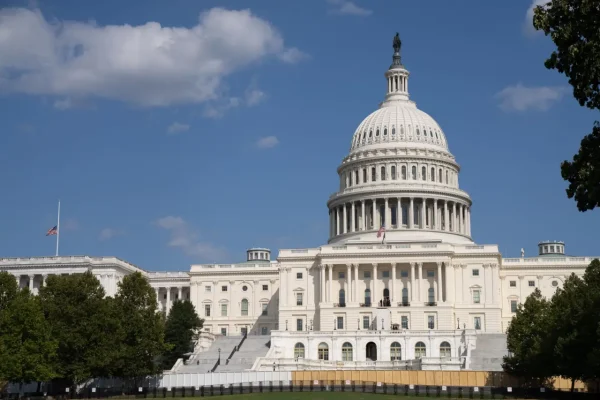
The EB-3 category exists within the immigration legal framework enacted by the U.S. Congress. Core elements such as the existence of the EB-3 category, its three subcategories, the employment-sponsorship principle, and the visa quotas are all based on statute, not something a president can set unilaterally.
Therefore, fundamentally changing the EB-3 category generally requires Congress to amend the law, a difficult and slow process. This is the most stable part, largely independent of who is president.
What Can Change with an Administration
The part that fluctuates lies in implementation: processing speed, how regulations are interpreted, resource priorities, administrative rules, and the degree of scrutiny applied. These can change according to each administration’s priorities.
For example, processing may speed up or slow down during certain periods, and supplementary rules may be adjusted. This affects the applicant’s actual experience even though the legal framework itself has not changed.
How You Should View This
Rather than worrying based on rumors, you should clearly distinguish between the durable legal framework and the implementation aspects that can change. Following official information helps avoid being alarmed by unverified reports.
You should stay updated through official information on the EB-3 category on the immigration agency’s website, rather than relying on unofficial sources, when assessing the impact of a change in administration.
Summary
EB-3 policy across U.S. presidential administrations shows that the core legal framework is fairly stable because it is set by Congress, while implementation can fluctuate with each administration. You should distinguish between these two parts and follow official sources to accurately assess the real-world impact.
═══════════════════════════════════════════════════════════════════
References
- USCIS — Employment-Based Immigration: Third Preference EB-3: https://www.uscis.gov/working-in-the-united-states/permanent-workers/employment-based-immigration-third-preference-eb-3
- U.S. Department of State — The Visa Bulletin: https://travel.state.gov/content/travel/en/legal/visa-law0/visa-bulletin.html
Read more: Overview of the EB-3 visa for US immigration · Retaining Your EB-3 Priority Date When Refiling: Conditions to Know