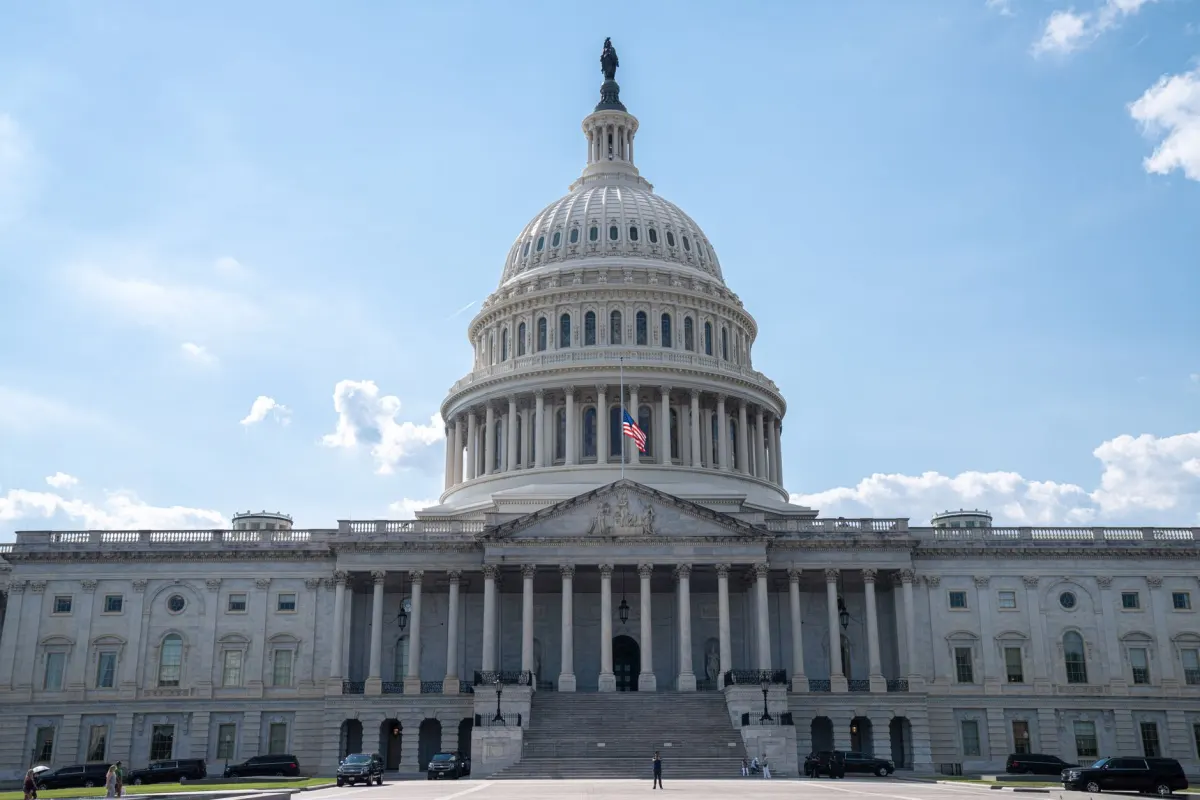
Washington, D.C., July 15, 2025 — United States.
On July 15, 2025, Representatives Maria Elvira Salazar (Republican, Florida) and Veronica Escobar (Democrat, Texas) introduced the DIGNIDAD (Dignity) Act of 2025, H.R. 4393, in the U.S. House of Representatives. The bill is a bipartisan immigration reform effort that includes several provisions related to employment-based green card categories, including EB-3.
Key Provisions Related to Employment-Based Categories
According to a summary prepared by CRS and published on Congress.gov, the bill proposes raising the per-country cap for employment-based and family-based green cards from the current 7% to 15% of the total visas in that category each year. The goal is to reduce the prolonged backlog affecting certain high-demand countries.
The bill also aims to clear backlogged cases pending more than 10 years in the employment-based and family-based categories through an expedited-processing fee mechanism. In addition, the bill includes provisions on border security, mandatory nationwide use of an electronic employment verification system for employers, and a program called the Dignity Program for people without valid legal status.
Legislative Process
The bill has been referred to the relevant House committees. Passing a comprehensive immigration reform bill typically takes a long time and must clear numerous procedural steps in both chambers of the U.S. Congress. There is currently no specific timeline for a full floor vote.
The bill’s content may be amended during the review process. Interested parties should follow updates directly on Congress.gov, as the quota and process provisions may change from the version first introduced.
Background
The current 7% per-country cap applies to both employment-based and family-based categories. This rule is often cited as one of the causes of the large disparity in wait times between countries within the same green card category.
In recent Visa Bulletins from the U.S. Department of State, the EB-3 category shows a significant gap between countries in the applicable priority dates. Any change to per-country quotas could affect visa allocation among applicant groups.
References
This article is compiled from government sources. Immigration regulations and figures may change over time; you should check current information on the official website before making a decision.