EB-3 in construction is a suitable path for skilled Vietnamese tradespeople with skill and experience. Trades such as welding, electrical work, and plumbing are all in demand in the US and usually fall under the skilled worker group. This article describes the opportunities, conditions, and notes for people in the construction trades.
Understanding this industry helps skilled Vietnamese tradespeople correctly assess their opportunity, which is usually better than the unskilled group in terms of waiting time.
What trades does EB-3 in construction include
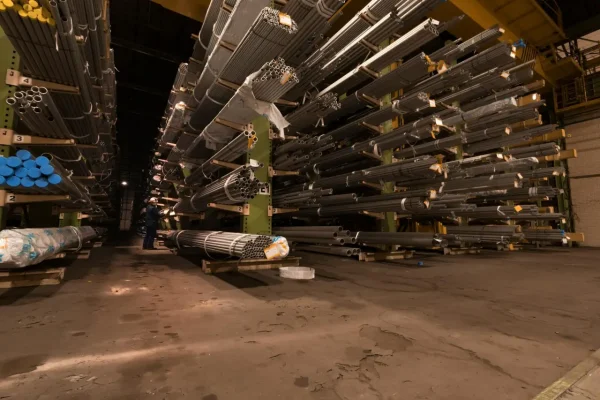
The construction industry includes many trades requiring skill. Common trades include welders, electricians, plumbers, machinists, and other technical positions in construction.
Theo U.S. Citizenship and Immigration Services (USCIS), these trades usually fall under the skilled worker group, requiring at least two years of training or experience. This is an advantage for Vietnamese tradespeople who have worked in their trade for many years, since the skilled worker group usually has a more manageable wait than the unskilled group.
Why construction offers opportunity
The construction industry in the US has steady demand for skilled tradespeople. According to data from the US Bureau of Labor Statistics (BLS), many construction trades have high labor demand, partly due to a shortage of skilled workers.
This demand creates real opportunities for foreign skilled tradespeople. For those with genuine skill and enough experience, this is one of the more promising paths. Construction trades also tend to have relatively good prevailing wages compared with the unskilled labor group, given the skill they require.
Conditions and proof of skill
Since it falls under the skilled worker group, the core condition is proving sufficient experience or training for the trade. This is an important difference from the unskilled group: construction tradespeople need evidence of their skill.
Evidence usually includes experience verification letters from previous employers and trade certificates if available. You should prepare these documents early, clearly, and consistently. This is a decisive factor for a skilled worker case, since proving sufficient experience is the key condition.
Points to note when pursuing this field
As with any EB-3 opportunity, vetting the employer still matters most. You should check whether the construction company is real, whether the position is clearly defined, and whether the salary matches the going rate for the trade.
In addition, some construction trades in the United States may require a license or certification specific to each state. Looking into this requirement beforehand helps you prepare for the actual job after you arrive, not just for the immigration file. Thorough preparation helps you make the most of your advantage as a skilled tradesperson.
Summary
EB-3 in construction opens good opportunities for skilled tradespeople such as welders, electricians and plumbers, who usually fall into a category with more manageable wait times. The core requirement is proving sufficient skill and experience. You should prepare evidence of experience early, vet the employer and look into licensing requirements.
—
M2W | EB-3 Employers & Jobs — File 2 (Posts 9–15) | v1.0.0 | 03/06/2026
References
- U.S. Citizenship and Immigration Services (USCIS) – https://www.uscis.gov/working-in-the-united-states/permanent-workers/employment-based-immigration-third-preference-eb-3
- U.S. Bureau of Labor Statistics (BLS) – https://www.bls.gov/
Read more: Overview of the EB-3 visa for US immigration · How long is the work commitment to the employer under EB-3?