EB-3 food processing worker is one of the most common paths for unskilled Vietnamese workers, since this industry has a steady labor shortage. This work does not require a high degree. This article describes the opportunities, requirements, and real-world characteristics of food processing work.
Understanding this occupation clearly helps unskilled Vietnamese workers know whether it’s a suitable choice and what to prepare.
Which Group Does EB-3 Food Processing Worker Fall Under
Theo U.S. Citizenship and Immigration Services (USCIS), positions in food processing plants usually fall under the unskilled worker group, requiring less than two years of training.
This is why the occupation is accessible to people without a degree or specialized skills. However, because it falls under the unskilled group, this occupation typically has a longer wait than the skilled group due to a tight quota. This is a trade-off to accept when choosing this occupation.
Why This Occupation Has Demand
The food processing industry has steady labor demand. According to data from the US Bureau of Labor Statistics (BLS), manufacturing and processing is one of the fields with a labor shortage, creating demand for foreign workers.
This real demand underpins the immigration opportunity in this occupation. This is why food processing work appears frequently in employment-based programs. Steady demand also means the job tends to be stable after arrival.
The Real-World Nature of the Job
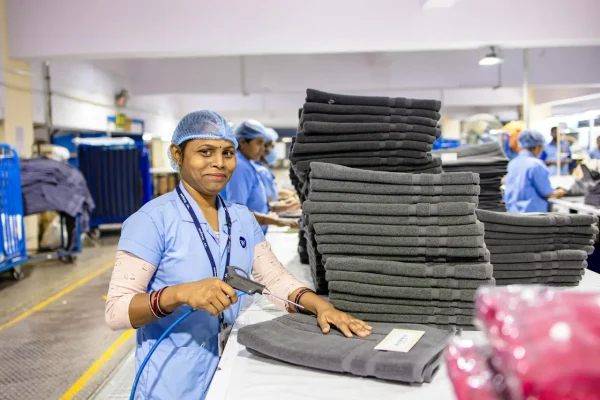
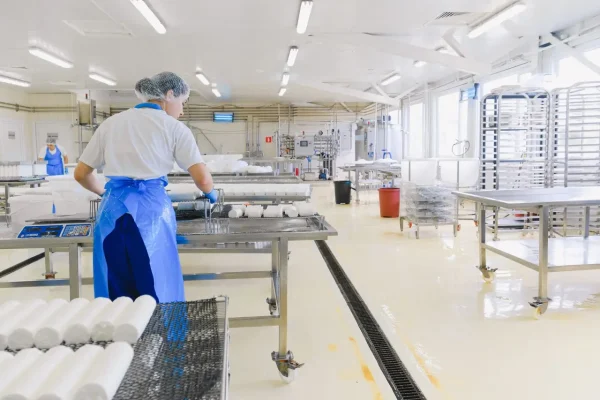
Work in a food processing plant is usually manual labor on a production line, requiring good health, endurance, and attention to detail. Some positions may require working in cold or damp environments, depending on the type of food.
The work is also usually shift-based and may require standing for long periods. You should realistically consider these working conditions, not just the immigration opportunity. Proper mental preparation for the nature of the work makes life easier after arriving.
Things to Note When Pursuing This Occupation
As with any EB-3 opportunity, vetting the employer matters most. You should check whether the factory or facility is real, whether the position is clearly defined, and verify the wage yourself through official sources.
Because this is a common unskilled occupation, it’s also where many dishonest offers appear. You should be wary of opportunities that promise too much or offer wages that don’t match the prevailing rate. A genuine opportunity describes the job clearly, including the demanding parts. Honesty in the description is a trustworthy sign.
Summary
EB-3 food processing worker is a common path for unskilled workers, with steady demand, though the wait is usually longer than for the skilled group. The work requires good health and shift work. You should vet the employer, verify the wage yourself, and realistically consider the nature of the work.
— —
References
- U.S. Citizenship and Immigration Services (USCIS) – https://www.uscis.gov/working-in-the-united-states/permanent-workers/employment-based-immigration-third-preference-eb-3
- U.S. Bureau of Labor Statistics (BLS) – https://www.bls.gov/
Read more: Overview of the EB-3 visa for US immigration · Choosing an Advantageous Industry for Your EB-3 Case