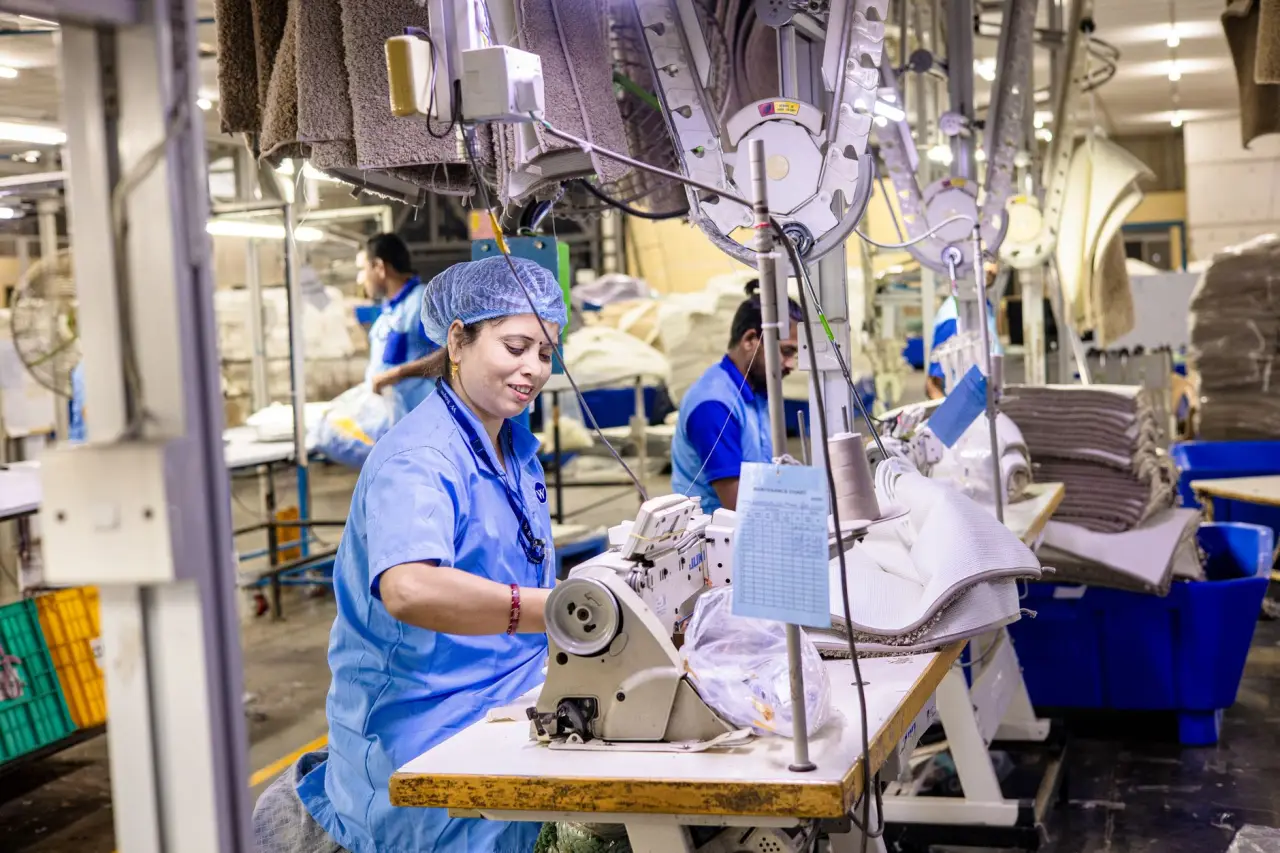
EB-3 sewing occupation is a path for Vietnamese tailors and textile workers seeking to settle in the US, leveraging a skill that is a strength of Vietnamese labor. Depending on skill level, sewing may fall under the unskilled or skilled category. This article describes the opportunity, conditions and points to note for the sewing occupation.
Understanding this occupation helps Vietnamese tailors assess their opportunity and know how to present their skills in the application.
What category does EB-3 sewing fall under
Theo U.S. Citizenship and Immigration Services (USCIS), sewing may fall under the unskilled category for basic positions, or the skilled category if the position requires high skill and significant experience.
The category depends on the specific requirements of the position. Highly skilled tailors capable of complex operations may aim for the skilled category, with an advantage in wait times. This is something Vietnamese tailors should note when assessing an opportunity suited to their level.
Why the sewing occupation has opportunity
Sewing is one of the skills where Vietnamese labor often has a strength, thanks to the developed textile industry in Vietnam. According to data from the US Bureau of Labor Statistics (BLS), manufacturing, including textiles, has labor demand in certain segments.
Although large-scale garment manufacturing is no longer concentrated much in the US as before, there is still demand in segments such as tailoring, specialized production and repair. Skilled tailors can find opportunities in these segments.
Demonstrating skill in the application
For skilled category positions, the core condition is proving sufficient experience or training in sewing. Tailors need evidence of their skill and experience.
Evidence usually includes experience confirmation letters from previous employers and trade certificates if available. For tailors with expertise in a specific product type or technique, clearly presenting that expertise can be an advantage. You should prepare clear, consistent documents early.
Things to Note When Pursuing This Occupation
As with any EB-3 opportunity, vetting the employer matters most. You should check whether the business is real, whether the position is clearly defined, and verify the wage yourself through official sources.
In addition, you should realistically assess demand for the sewing occupation in the intended area of work, as demand may be concentrated in certain segments. Understanding the market helps set the right expectations. Careful preparation of both the application and market research helps make the most of the sewing opportunity.
Summary
EB-3 sewing occupation is an opportunity for Vietnamese tailors to leverage their skill strength, which may fall under the unskilled or skilled category depending on the position. Demand is concentrated in certain segments such as tailoring and specialized production. You should clearly demonstrate skill, vet the employer, and research actual demand in the area.
— —
References
- U.S. Citizenship and Immigration Services (USCIS) – https://www.uscis.gov/working-in-the-united-states/permanent-workers/employment-based-immigration-third-preference-eb-3
- U.S. Bureau of Labor Statistics (BLS) – https://www.bls.gov/
Read more: Overview of the EB-3 visa for US immigration · Consulting on the Right Skilled-Worker Immigration Path to the US