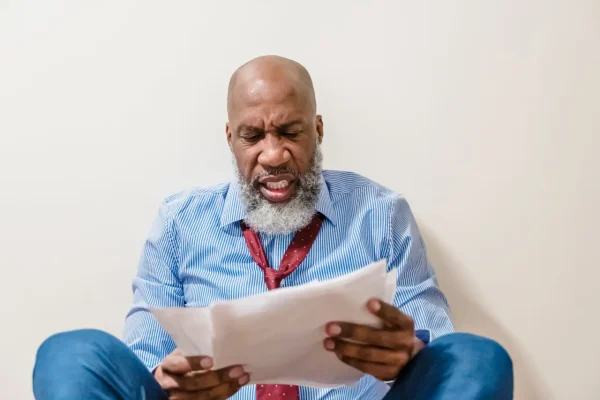
An EB-3 case denial is a situation no one wants, but it needs to be understood in order to prevent and respond to it. A denial can stem from many causes, each with a different way of handling it. This article analyzes the common reasons and what can be done when facing this situation.
Understanding the causes in advance helps you both prevent them from the start and avoid panicking if you happen to face one.
What causes an EB-3 case to be denied
A case can be denied at various stages for different reasons. At the labor certification stage, according to U.S. Department of Labor (DOL), the reason is usually an error in the test recruitment process or the employer’s procedures.
At the petition stage or the final step, the reason may relate to insufficient proof of eligibility, inconsistent documents, or issues with the employer’s ability to pay. Understanding the cause at each stage helps correctly pinpoint the problem when addressing it.
Distinguishing a denial from a request for evidence
An important distinction: being denied is different from receiving a Request for Evidence (RFE). An RFE is an opportunity to clarify, not a final decision. Many cases succeed if the RFE is answered correctly and on time.
Theo U.S. Citizenship and Immigration Services (USCIS), fully meeting a request for evidence is a condition for the case to move forward. So do not confuse a request for additional evidence with a denial. Responding well to a request for evidence can save the case.
How to Respond to a Denial
When a case is truly denied, there are several paths depending on the situation and the cause. In some cases, it is possible to fix the error and refile, restarting the relevant process. This means additional time lost.
The most important step is to correctly identify the cause of denial, because fixing the wrong thing without understanding the root cause will lead to another failure. This is the time to seek professional advice to assess the situation and choose the right path, rather than rushing to refile.
Prevention from the start is still best
As with any problem, prevention is better than dealing with the aftermath. To reduce the risk of denial, you should choose an employer that operates carefully, prepare documents honestly and consistently, and respond promptly to every request during the process.
Most denials stem from avoidable errors, especially in the employer’s procedural steps and the consistency of documents. So being careful from the outset is the most effective way to prevent denial, sparing you from having to deal with the complicated situation of a denial.
Summary
An EB-3 case can be denied due to procedural errors, inconsistent documentation, or ability-to-pay issues. Denial should be distinguished from a request for evidence, which can be remedied. You should identify the correct cause, seek professional advice, and focus on prevention through care from the start.
— —
References
- U.S. Citizenship and Immigration Services (USCIS) – https://www.uscis.gov/working-in-the-united-states/permanent-workers/employment-based-immigration-third-preference-eb-3
- U.S. Department of Labor (DOL), PERM – https://flag.dol.gov/programs/perm
Read more: Overview of the EB-3 visa for US immigration · Common misconceptions about US skilled worker immigration