Occupations for migrating to Germany facing labor shortages is the deciding factor for your opportunity. Choosing the right occupations for migrating to Germany based on market demand helps you more easily find an employment contract and get your degree recognized.
Germany is Europe’s largest economy and is facing an aging population, leading to labor shortages in many sectors. This article lists the occupation groups with high demand.
Occupations for migrating to Germany in shortage sectors
Theo Make it in Germany, Germany publishes a list of shortage occupations prioritized for recruiting foreign workers.
- Healthcare and care work — nurses, care assistants, medical technicians.
- Information technology — programmers, software engineers, data specialists.
- Engineering and mechanics — engineers, mechanics, electricians, welders.
- Construction and skilled trades — skilled tradespeople in construction and maintenance.
- Restaurants and hotels — chefs and service staff.
Why nursing is prioritized
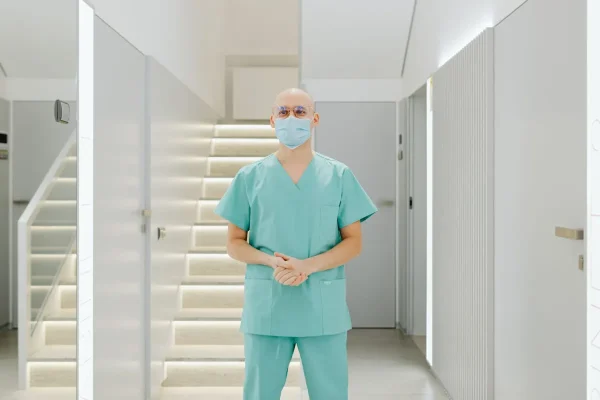
Nursing is one of the most severely understaffed occupations in Germany. Workers in this field are often supported with degree recognition and have many dedicated recruitment programs.
However, the nursing field requires a relatively high level of German, usually from B1 to B2, to ensure communication with patients.
Degree recognition by occupation
Each occupation has its own recognition agency and process. Matching your vocational or university degree against the German system (anabin) is a mandatory step before applying for a work visa.
Some occupations for migrating to Germany that are prioritized
Besides nursing, several other sectors also face labor shortages and are welcomed by Germany. Knowing these sectors helps you set the right career direction.
Sectors that regularly face labor shortages include nursing and healthcare, information technology, mechanical and electrical engineering, construction, and some service industries. Skilled workers in these fields usually have more job and sponsorship opportunities.
For the IT sector, Germany even offers more favorable experience requirements. This signals that Germany urgently needs workers in fields that are key to its economy.
Credential recognition by profession
Whichever sector you choose, credential recognition is a step you cannot skip. How mandatory it is varies by profession.
For strictly regulated professions such as healthcare and nursing, credential recognition is mandatory before you can practice. For some other professions, this procedure may be more flexible, but it is still highly advisable to complete it to improve job opportunities.
The recognition process usually takes time, so you should start early. This is the foundational step that determines whether you can work in your actual profession in Germany.
Choosing the profession that suits you
Prioritize a profession that matches your actual experience and qualifications, and that is also on the shortage occupation list, to improve your chances. You can read more EU Blue Card Germany if you hold a university degree, or Chancenkarte if you want to go to Germany to look for work. M2W is ready to advise you on a suitable profession.
The occupation list is referenced from the Make it in Germany portal. Labor demand changes over time and by region.
Read more: Overview of migrating to Germany · Germany job-seeker visa for university graduates